

Steady In Transit: Calm You Can Carry
Welcome aboard a pocket-sized guide to On-the-Go Grounding Practices for Commuters, where tiny, train-proof strategies help your body settle and your mind brighten between stations. Whether you ride buses, subways, trams, bikes, or elevators, discover quick breaths, sensory anchors, and micro-rituals that build steadiness without slowing you down. Try one move today, share your results with our community, subscribe for fresh weekly ideas, and let this very ride become a gentle rehearsal for the peaceful focus you want all day.
Why Your Body Craves Steadiness On The Move
Crowds, engine vibrations, sudden stops, and hallway echoes can nudge your nervous system toward vigilance, priming shallow breaths and tense shoulders. Understanding this honest physiology gives you permission to respond wisely. Grounding practices turn fleeting minutes into opportunities to befriend sensation, soften tension, and train recovery. When steadiness becomes portable, delays feel less personal, time stretches kindly, and your attention returns to what matters next rather than what just jolted you.

Breathwork You Can Do Standing, Sitting, Or Squeezed Between Doors
Breathing shapes your internal soundtrack. Commuter-friendly patterns emphasize longer, quieter exhales to calm the heart and steady attention. You do not need privacy or perfect posture; you need a repeatable rhythm that fits turnstiles, footsteps, and stoplights. Think four-count inhales and six-count exhales, or simple sighs through pursed lips. Nobody notices, yet your body decodes the message: we are moving, and we are safe enough to soften.

Box Breathing With Turnstiles As Your Timer
Inhale four, hold four, exhale four, hold four, tracing a quiet square in your mind. Use turnstile beeps or platform signs as gentle metronomes. If holding feels pushy, skip the holds and stretch the exhale. The shape matters less than your friendliness. Two or three rounds often melt shoulder bracing and make the car’s hum feel almost musical.

Elongated Exhale When The Car Gets Crowded
When space shrinks, lengthen your out-breath slightly beyond your in-breath. Purse your lips as if cooling soup, letting air stream out slow and silky. Imagine fogging a tiny window far away. This subtle signal nudges heart rate variability in a calming direction. Repeat quietly for three stops and notice warmth in your hands, a soft jaw, and clearer seeing.

Syncing Inhales To Footsteps On A Moving Walkway
Match two steps to your inhale, three or four steps to your exhale, adjusting the count to remain comfortable. The rhythm recruits your body’s natural love of patterns, freeing your mind from ruminations about delays. If thoughts intrude, smile inwardly and return to steps, breath, and the corridor breeze. Soon the terminal becomes a kind of moving meditation lane.
Sensory Anchors That Travel Well
Your senses are reliable guides when thoughts sprint. Grounding through sight, touch, sound, taste, and smell can happen discreetly and safely, even while walking. Choose anchors that do not steal attention from the road or platform edge. A textured key, a calming playlist, a mint with a bright edge, or the color blue repeating on advertisements can become steadying companions that ask nothing complicated from you.
The Five-Thing Scan Without Looking Odd
Silently notice five colors, four edges, three sounds, two temperatures, and one kind message to yourself. Keep your eyes soft and your posture natural so it feels like everyday observing. This sequence decelerates racing thoughts by relocating curiosity into the present scene. If you are driving, use auditory and tactile elements only, keeping eyes anchored on the road while your awareness widens safely.
Touchstones In Your Pocket: Coin, Key, Bead
Choose a small object with ridges or weight. Roll it between fingertips and name textures: cool, rough, smooth, grooved. The brain enjoys detailed sensation, and attention shifts from what-if spirals to what-is contact. Assign a meaning to the object, like return or breathe. Over days, your body learns that touching this anchor means softening pressure and becoming freshly available to the moment.
Scent Cues That Say You Are Safe
A discreet inhaler, essential oil patch, or even the citrus pop of gum can mark stability. Pair scent with a phrase such as steady on and an exhale you can hear only inside. Scent travels quickly to emotional centers, making it a respectful shortcut to calm. Avoid strong fragrances in tight cars, prioritizing gentle, personal notes that soothe you without overwhelming neighbors.
Micro-Movement And Muscle Reset
Small, respectful movements discharge tension without turning your commute into a workout. Isometric squeezes, tiny calf raises, relaxed jaw tilts, and scapula hugs can be done in crowded spaces. Think less about perfect form and more about friendly invitations to release. Two stops of progressive relaxation change the flavor of your morning, priming posture, balance, and brighter attention for whatever welcomes you at arrival.

Mind Habits That Keep You Present, Not Predicting Delays
Grounding is as cognitive as it is physical. Train gentle attention, label sensations without drama, and practice wider perspectives when plans slip. Short prompts, compassionate self-talk, and tiny reframes puncture anxious forecasts. Presence does not demand ignoring problems; it invites meeting them with steadier breath, clearer boundaries, and kinder assumptions about strangers who also woke early and are doing their best today.



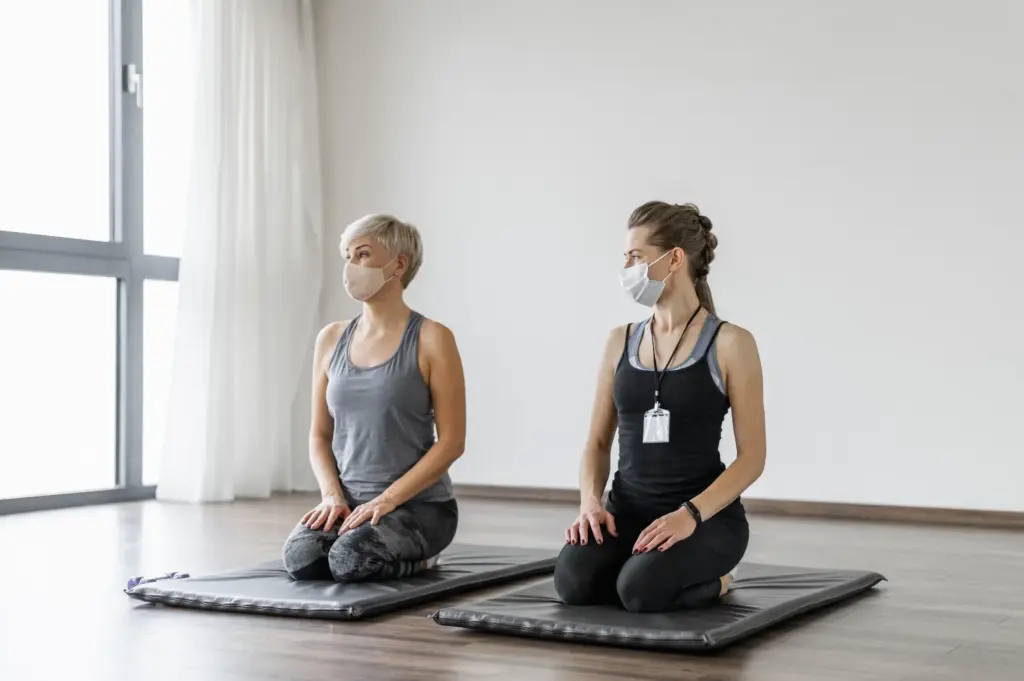
Build Your Personal Commute Ritual
Ritual turns scattered tips into a friendly sequence you can trust on sleepy Mondays and stormy Thursdays. Choose a breath pattern, one sensory anchor, and a movement reset. Add a phrase you like and a tiny reward at arrival. Keep it under five minutes so it fits any ride. Share your ritual in the comments, subscribe for fresh cues, and invite a friend to practice with you tomorrow.