
Breathe Back Control in Sixty Seconds

Today we dive into rapid breathing techniques to reset stress, translating cutting-edge physiology into friendly, one‑minute practices you can use anywhere. Discover how a few precise breaths can nudge your nervous system toward calm, sharpen focus before high‑stakes moments, and help you recover after emotional spikes. Expect clear instructions, relatable stories, and gentle guardrails so you feel confident practicing safely. Try a protocol as you read, notice small shifts, then share your experience and subscribe for weekly micro‑tools that make steadiness a daily habit.

Why Fast-Acting Breath Resets Work

Big feelings ride on small physiology changes. When you slightly extend the exhale or add a brief top‑off inhale, pressure sensors, CO2 levels, and vagal pathways respond within seconds. That cascade calms heart rhythms, quiets racing thoughts, and returns agency. You do not need silence, incense, or twenty minutes; you need technique, intention, and sixty focused seconds. Below, learn how these short patterns steer your inner controls reliably, even on messy days, so composure becomes available on demand.

Inside Your Autonomic Switchboard

Stress loads the sympathetic system; recovery recruits parasympathetic braking. Elongated exhales stimulate vagal influence, shifting heart rate variability toward steadier rhythms. Two or three deliberate cycles can interrupt spirals by signaling safety faster than conscious reframing, creating space to choose your next helpful action.

CO2: The Often-Missed Lever

Carbon dioxide guides breathing urgency more than oxygen in everyday life. Short holds and long, quiet exhales ease sensitivity, while the physiological sigh efficiently offloads excess CO2 and reinflates tiny lung sacs. Balanced levels translate to calmer sensations, steadier attention, and smoother communication under pressure.

Physiological Sigh, Twice Through

Inhale steadily through the nose until comfortable, then take a small top‑up sniff to open more alveoli. Exhale long through the mouth with a gentle whoosh, emptying completely. Repeat two to five times. Notice shoulders settling, jaw softening, and thoughts spacing out just enough to decide wisely.

Box Breathing, Compressed Format

Picture a square. Inhale for three, hold for three, exhale for three, hold for three. Trace the corners in your mind while relaxing your forehead and tongue. Run five to eight rounds. The predictability steadies attention quickly, creating calm readiness rather than drowsiness or shutdown.

From Overwhelm to Action in Real Life
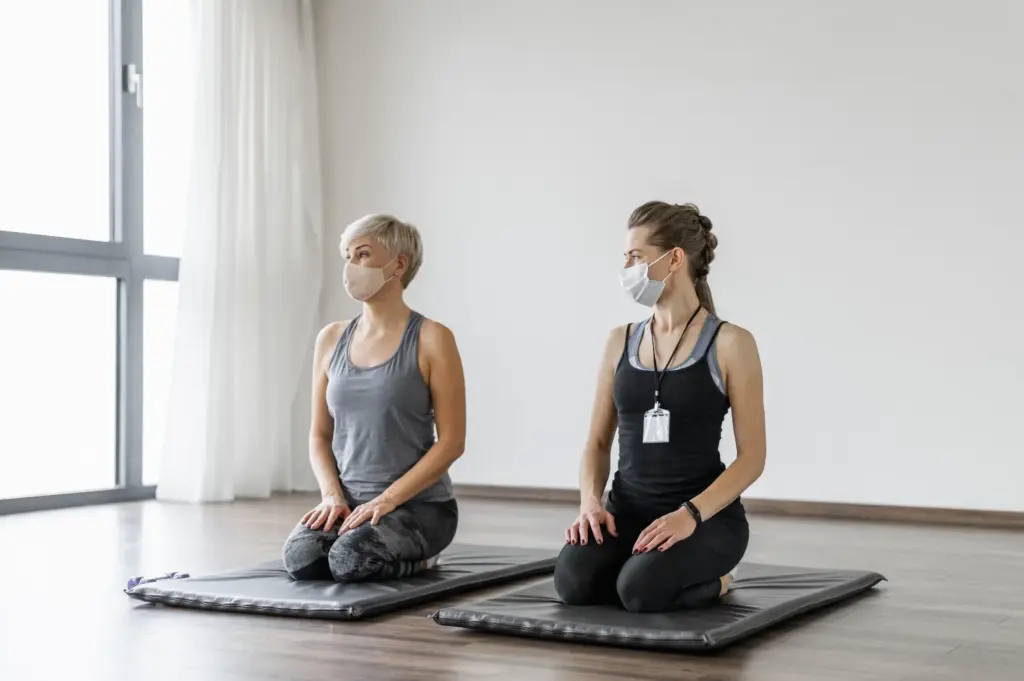
Skills matter when stakes are real. The following vignettes show how brief, intentional breaths can turn spirals into traction without perfection or privacy. Notice the small choices—longer exhale, softer gaze, slower reply—that reclaim options. Try adapting details to your context and share what surprised you most.

Safety, Nuance, and Personalization

Your body is the authority. If any practice triggers dizziness, tightness, or panic, scale down, switch to natural nasal breathing, or stop and ground through your senses. Aim for ease, not heroics. Tailor ratios, posture, and pace to today’s energy, while respecting medical conditions and professional advice.

Make It Stick with Tiny Habit Design

Lasting steadiness grows from small, repeated wins. Pair brief breaths with routines you already do—unlocking your phone, washing hands, opening a document—so practice happens automatically. Protect reps with friction‑free prompts and graceful resets after misses. Celebrate micro‑successes to recruit motivation, then invite a friend to multiply accountability.

Anchor to Micro‑Moments

Choose precise cues: after you click send, when you buckle a seatbelt, or before you unmute on calls. Attach three calming breaths. Keep it boringly consistent for two weeks. The reliability beats intensity, wiring a reflex you can trust when pressure suddenly spikes.

Design Your Environment

Place a sticky dot on your monitor, set a watch complication for a one‑minute timer, and add a breathing shortcut to your phone. Reduce friction so starting feels laughably easy. Environmental nudges outwork memory, especially during busy seasons when cognitive bandwidth evaporates first.

Community and Accountability

Share your favorite protocol in the comments, invite a colleague to a daily one‑minute reset, and swap check‑ins each Friday. Light‑touch accountability keeps momentum rolling, while fresh stories reveal new cues and clever adaptations you might never discover alone.

CO2 Tolerance Drills, Gently Done

Practice slightly longer exhales, sprinkle tiny breath holds after exhales if comfortable, and try relaxed nose‑only walks. Keep effort conversational and quit before strain. Over time, tolerance rises, panic alarms quiet faster, and ordinary challenges feel roomier, like you just added minutes to each demanding hour.

Pair Breath with Posture and Gaze

Lengthen your spine without stiffness, soften the belly, and switch to panoramic vision by widening attention to the edges of the room. Combine with long exhales. This signals safety to midbrain circuits, reducing threat scanning and creating calm alertness suited for complex work.

Track with HRV and Mood

If you like data, use a simple app or wearable to watch heart‑rate variability trends, but pair it with a quick mood check. One‑minute breath breaks before demanding tasks often nudge both upward, teaching your brain that composure is rewarding, useful, and repeatable.